
Blueberries & Panic

20120626-061020.jpg
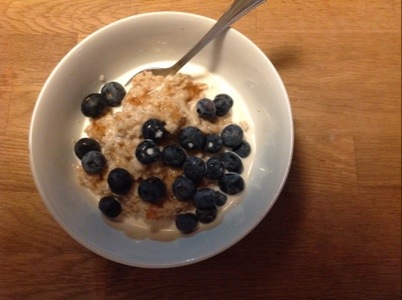
It is just about blueberry season here–maybe two more days to go, really–and they are a lovely addition to oatmeal for breakfast. A good solid meal is what you need when you’re starting a day of random panic attacks about whether or not an exhibit will get done. I was up at 5 to start writing the main case label, surrendering to the inevitable since I began writing it in my head when I woke up at 4:30. Now I need only fit in working out, sewing a dress, making two lunches, showering, and getting the Young Mr off to summer camp by 8. Madness.

But I was struck by a comment on an earlier post, one about authenticity. The fight continues, and the comment reminded me of a conversation going on over at Historically Speaking/Daily Reenactor. There has been some bad stuff happening in units out there in the real world, and online, too. To do these subjects justice, I need more time and thought that I can put in right now, but I refer interested parties to Kelsey’s blog, where there is much to read and consider.

Now, back to panicking for me.

Regrets Never Stopped Me

That moment of regret…promised work a cake and punch, promised myself a new dress, it’s going to be 99 today, and there’s still an exhibit to install. Once again, what was I thinking? Apparently I was thinking that all I have to do is want something enough and I can make it happen.

So the bodice muslin is cut out, I’ve asked someone else to find a punch receipt while I make cake and lemonade, and I’ve got labels underway. This is manageable, maybe.

The way I start with patterns, as you can see in the top image, is by tracing them. I use architectural trace, AKA onionskin or drafting paper, mostly because it is cheap and readily available, and because I got into the habit just because it was around. (I am a refugee from a graduate program in architecture, which explains a lot about why I have drafting tools, keep way too busy, and am comfortable working with construction projects.) I use the trace patterns to cut the muslin from, and after JennyLaFleur’s workshop at Dress U, I fit muslins and recut final patterns in Pellon pattern ease. Formerly I saved muslins, now I re-trace. So much smarter, much less space.

So tonight, I’ll stitch up the muslin and see where I am. Today, I work on labels. The lower image definitely illustrates the process. There’s a big whole where a uniform will go, and we’re still using the ladder. Why is there a doll in an exhibit about war? Because how else do you fit in a dress when the case is small?!

The New Installation of the Old Barnes

Today’s New York Times contains a front-page article on the new location of the Barnes Foundation that can be summed up as, the Barnes, Only Better. Intriguing.

I followed the story of the Barnes and the orphan court case because many of the arguments took place at the time my employer was considering the dastardly act of deaccessioning and selling a piece of furniture to generate endowment funds. The Barnes is also one of my favorite places to visit when I go to see my mother, who lives in Merion Township.

The Barnes has a fascinating history, given that the founder, Dr. Barnes, had stipulated that the collection never be moved, loaned, or reinstalled. Moving the Barnes out of the restrictive environment in Lower Merion Township therefore required, in essence, breaking Dr. Barnes’s will. The legal implications of donor intent vs. long-term museum health were what interested me in the Barnes case, but there’s so much more to the Barnes than museum legal studies.

More, as in Glackens. Bellows. The Cezanne-versus-Renoir matchup. The Barnes was a quirky installation of wonderful paintings, icons, juxtaposed with metalwork, kind of primitive Pennsylvania furniture, and African art. Barnes’s installation was saturated in its time period, like walking into every essay, article, and art history book you’d ever read on the Moderns. I’m looking forward to visiting the new-old installation when I go to Philadelphia in June.