A 1920s-style Dress for a Wedding

It’s the time of year when people post what they accomplished in the past year. I’m late to the party, but I found it helpful to look at what I did manage as I think about what I’d like to do in the coming year. Underlying all these goals is the near-constant existential crisis of daily life in this world, which produces drag on anyone paying a bit of attention. Oh, and health issues like appendicitis twice and an ear infection to see the years out and in with a flourish. As I look back, I’ll break the year down chronologically into multiple posts. 

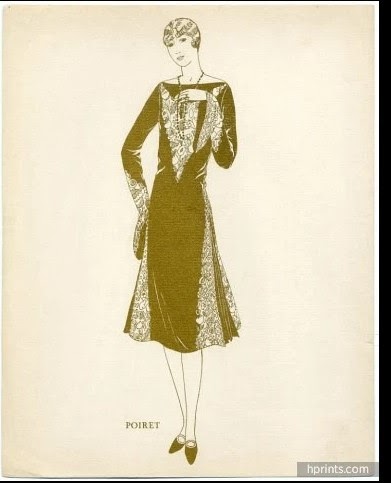
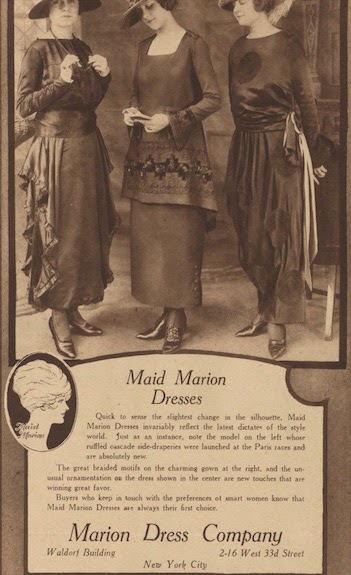
January was packed with disparate projects, each with their problems. There was a big work project that consumed a lot of the month, so Bryan decided that this was the time to plan and schedule a wedding. That meant making a dress at the same time I was working on a quilted hood and padded silk pelisse to represent Emma Smith at the Joseph Smith house in Ohio. Making a dress in this context meant deciding on a time period and a pattern, along with the undergarments, accessories, and shoes. I settled on the 1920s to work with a suit Bryan could comfortably wear– weather was also a consideration, as we anticipated being outdoors– and looked for inspiration and patterns. 
In the end, I made a hat, a corset, a slip, and three dresses. The three dresses were all the same pattern: the first to test the shape in silk, the second to be married in, and the third to wear on our “honeymoon” trip to Atlanta. That dress was made up in a vintage-style cotton print from Mood.

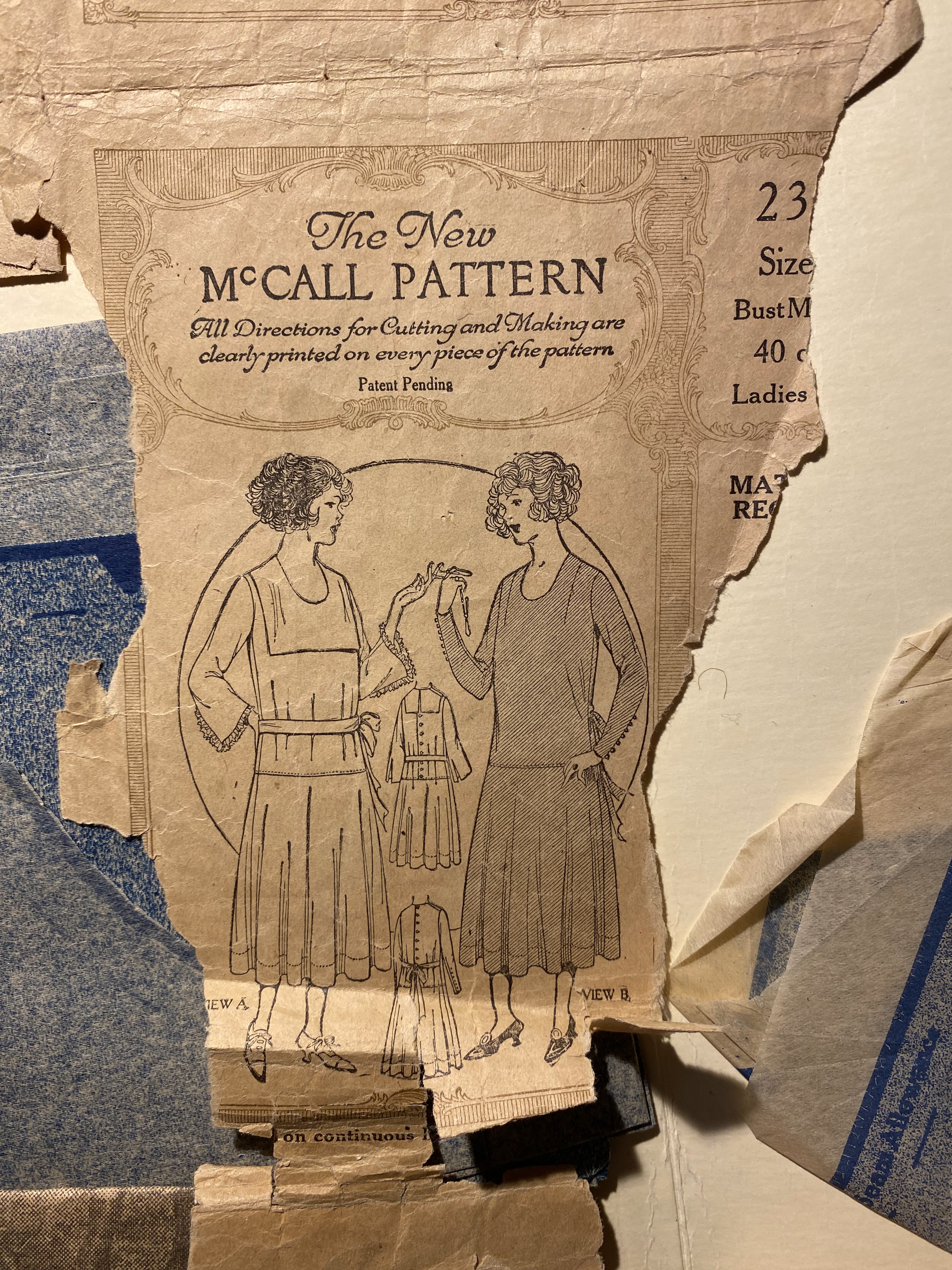
The pattern I used was based on an original 1923 McCall’s pattern in my collection. I traced the entire pattern and then scanned by sections to assemble a full, cuttable version that I could grade. The sleeve pieces were not intact, so I had to recreate the sleeve I wanted. Is this madness? Yes. Is it also my SOP? Again, yes. Obviously, I made up a muslin, but I also made a mockup in some gingham taffeta that I wasn’t particularly in love with, and had forgotten why I’d bought it. I took this step because I knew silk and cotton behave differently, and I really wanted to head off a draping failure.
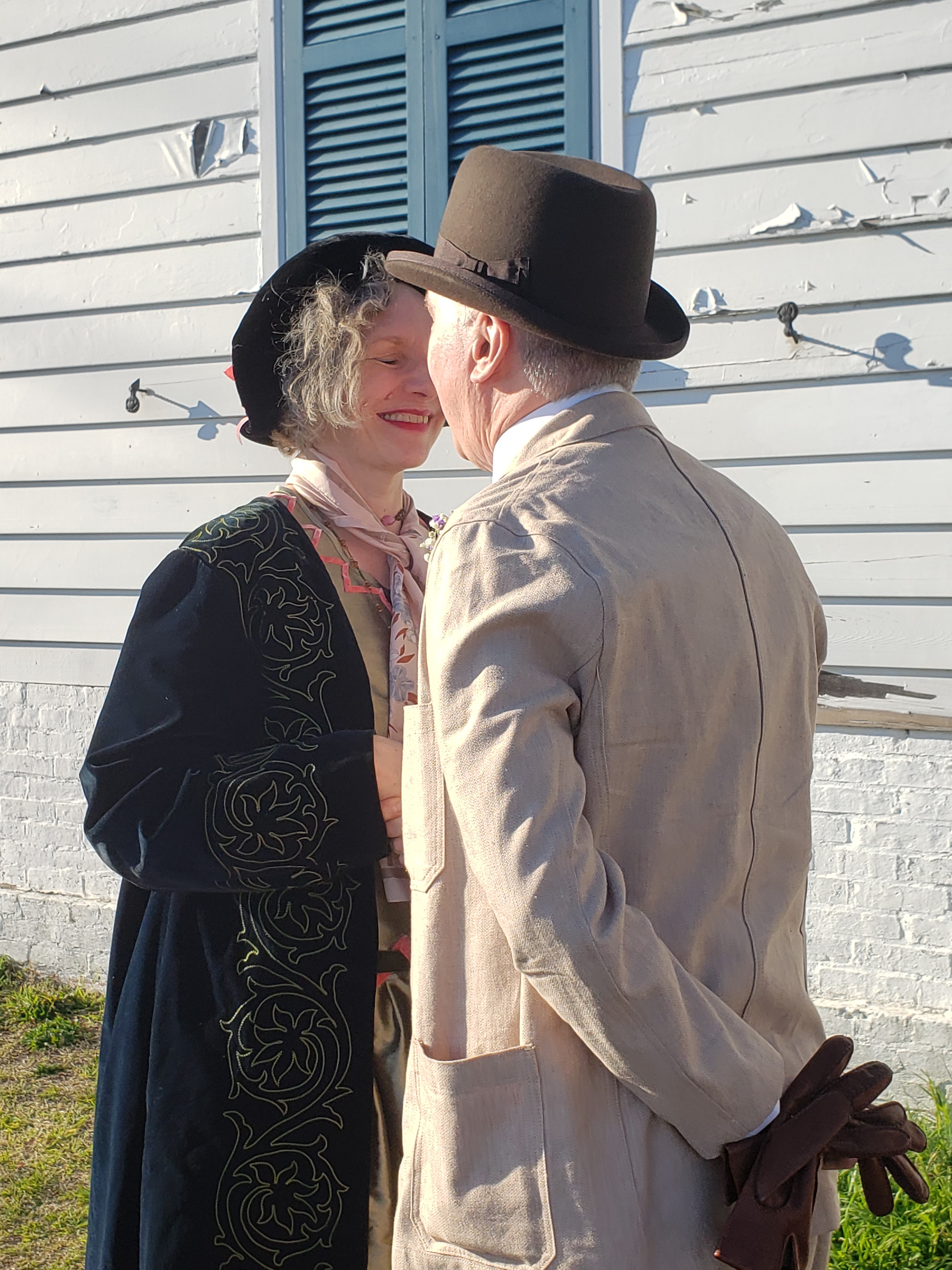
In the end, It’s a very simple dress: a two-piece bodice slips over the head, with the main interest in the color and trim. The dress trim is vintage velvet ribbon in a simple geometric pattern that didn’t take too much repinning. The accessories are a vintage wool purse I already had and a coat I picked up in a Facebook sewing group. The hat was originally a rose-colored straw sun hat my mother sent me. I covered it in black velvet and finished it with vintage trims.
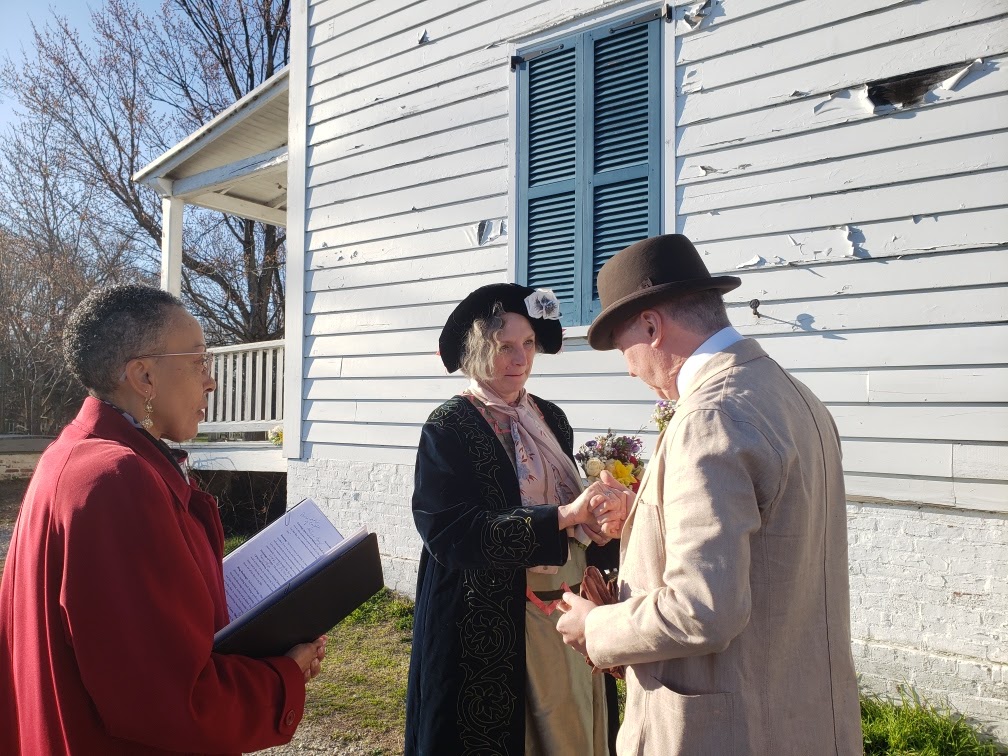
We got married down on the Potomac River at Jones Point Park, with just one friend with us. To celebrate with other friends, we took the cake to them, which made scheduling a lot easier. 

And, in best vintage fashion, the “traveling” dress in the same pattern, worn at the Atlanta Botanical Garden, one of the places we visited on our honeymoon.

Dresstory: The Turnabout Skirt

Two first dates, at least, and almost always with boots: the Pendleton plaid reversible pleated “Turnabout” skirt. I bought it in a long-gone shop on Thayer Street in Providence in 1989 or 1990 with money I earned working in the inter-library loan department at the Brown Science Library, the ugliest building on College Hill, until the apartments went in on Brook Street across from the Wheeler School. It would not have been cheap; that is, it probably cost enough to make me think twice, but it was a Pendleton, it was warm, heavy wool, and it fit. The knife pleats opened slightly when I walked, revealing a contrasting color. How could I resist? Practical and pretty, in a fabric more durable than the soles of my shoes, this skirt was made for walking.

The heavy wool was useful in the chilly frame triple-decker flats where I lived and kept the heat low for money’s sake. This would prove useful again, when I moved back west to Saint Louis, and had even less money as a graduate student than an entry-level library employee. Saint Louis had been home before, and the source of much of my vintage wardrobe, though I lost many pieces in a very bad breakup before I had the Green Eyed Lady dress. By the time I started my second round of graduate school, my wardrobe was a melange of slightly professional pieces, vintage clothing, well-worn jeans, and sweaters stolen from my father’s closet. Sometimes I think I must have looked like a walking laundry pile from a disgruntled teenager’s floor, but there I was, 24, and ready to take on anything in my eclectic armor.

I wasn’t wearing the Turnabout the night I met the man who really broke my heart, but I wore it on our first date the following Saturday when we went for a walk in Tower Grove Park. He was a photographer, living in a second-floor flat on a street named for a river on the near South Side of Saint Louis. I’d known him in college, or known who he was, as he had known who I was. Photography and sculpture were in the same studio building, and even among a group known for being obnoxious, I stood out.

A trip to Colorado

When I met him again late on a November Wednesday, in a partially-converted brewery, I was bored with an art opening, trying to decide whether to get a drink or go home. He stopped in the doorway to survey the gallery, a hazy golden light behind him like a Renaissance painting, so unlike the bruise-blue sky above the bony trees that waved outside my windows. A neon blue line, like the colored lines in a Thiebaud painting, wavered around him.

He talked me into a date that Saturday afternoon, picking me up at the studio so we could take his sandy-haired dog, Cooper, to the park. Cooper, distinguished as the only dog to survive eating both a Hasselblad and a Harris tweed jacket sleeve, kicked up brown leaves as he ran ahead of us. The late autumn light in Saint Louis made anything red more red, highlighting what leaves remained on trees, the painted pavilions, and the folds of my skirt.

His camera malfunctioned on what became a trip through irony

Over the months we dated and eventually lived together, Cooper went on many walks with us, and with me and my dog. I took in strays; my cat had kittens, adding half a dozen more to the three cats we already had. It was lively, and sad, and I proved too much for the photographer, who asked me leave just a few days after giving me a red Trek mountain bike for my birthday. I sold the bike, kept the cats and kittens and the skirt, and moved into my own pre-war flat on a street named for the river I now live near.

We kept being together and not together, so hard to quit seeing each other, like a bad cover of a Gun Club song. But we moved on, encountering each other in the grocery stores of the South Side for years, until I moved back to Providence. Two years later, I read his obituary in the alumni newsletter. I kept the skirt–it still fits, though more snugly than before I had a child. Twenty five years after my date with the photographer, I wore the skirt again on a rainy afternoon date with Drunk Tailor, walking the shore of Narragansett Bay in Colt State Park.

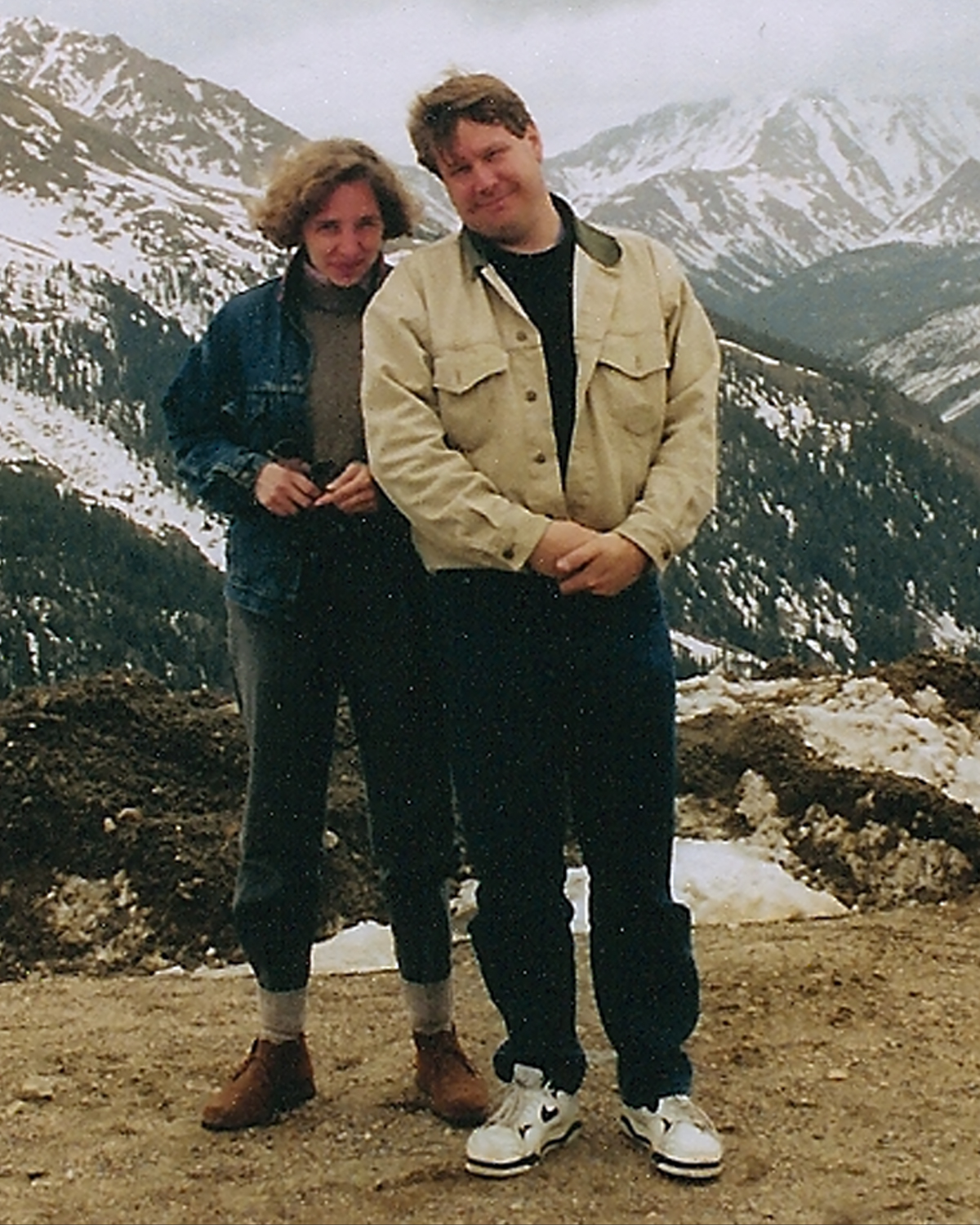
Note: The images of us are poor because they are taken from 35mm color negatives made in 1991, some of which were double exposed when the camera malfunctioned, and not printed until 2008. In the intervening decades, they acquired the dust which appears in the prints and subsequent scans.

Dresstory: The Green Eyed Lady

Almost my dress, thanks to PhotoShop

I didn’t know then that it was called changeable silk; what I knew was that the skirt rustled when I walked, and spread out like a plate when I twirled. Irresistible. Probably homemade, I would have found it in a junk shop on South Broadway in St. Louis, or at the Veterans Village thrift store on Natural Bridge Road, a place white girls like me had to be careful (respectful) about going to.

Square neck, tight waist, full skirt, side zip: at one point, I was skinny enough to pull it over my head without opening the zipper, as long as I wiggled just right. The only time I clearly remember wearing the Green Taffeta Party Dress was to the KWUR Student Radio end-of-year party at the Women’s Building on the Washington University Campus. April or May of 1987, probably, though possibly 1986, before I went to Skowhegan on a summer scholarship.

My date was my on-and-off boyfriend, another sculpture major, working on his master’s if it was 1986, and newly graduated if it was 1987. He had a shambling walk, shuffling, a little hunched over, as if 6 feet were too tall for the spaces he occupied, though the city was large enough. Sneakers, jeans, an Army fatigue jacket, a smile waiting for reactions, waiting to deploy. Patrick was the son of a firefighter and a nurse, and I stole him from his college sweetheart.

Rosemary Clooney in White Christmas. Velvet, but very similar.

The green of my dress was like the green of his car, dark and forest like. We made installations together, layering found objects and drawings in the small gallery in the studio building where we worked. We drifted into a relationship: his girlfriend visited every weekend, driving up from the smaller college town where they’d met. Red haired, pale-skinned, in burgundy beret, Roslyn sat on a stool and watched Patrick work. Across the wide wood shop, I watched her watching him, and smirked. Reader, I was unkind. My friend Jane and I played Raspberry Beret on repeat every time Rosyln visited, hard to do in the pre-CD era, but we managed.

My style icons at the time were Joe Strummer, the Beastie Boys, and Lydia Lunch and when we weren’t taunting Roslyn with Purple Beret, I was inflicting 8 Eyed Spy on my studio mates. Reader, I was a snob. Paddock boots and ankle-zip jeans; white high tops and baggy Marithe et Francois Girbaud trousers; and the occasional 1950s evening gowns comprised my idea of campus-appropriate dress. My wardrobe came from thrift stores, gifts from my mother and grandmother (the Girbaud trousers), and practical work wear I bought with money I earned in the summers (high tops and paddock boots). In winter, I had a ca. 1950 Army trench coat with a button-in lining, which I insisted upon wearing to a Fortnightly dance in Chicago my senior year of high school. It is amazing my mother lived through all this sartorial humiliation, and amazing, too, that I was harassed as little as I was on the streets of Chicago and Saint Louis.

Wash U Women’s Building. KWUR was in the basement.

The KWUR Prom was in May, though I think of that evening as summer, so I would have needed nothing over the dress. I wore it with a gartered corset, black fishnet stockings, and Johnson motorcycle boots styled like paratroopers boots, leather soles slick from walking, and good for dancing. By May of the year I met Patrick, he’d broken up with Roslyn. We started making art together on a dare, and in our rambles collecting window screens, broken chairs, old medicine cabinets and other detritus, we grew closer, stopped being adversarial and became friends, and then lovers, until we were not. I wonder about Roslyn sometimes, and what became of her; I know where Patrick is, though we have not spoken since 1991. I broke his heart, for a time, after he broke mine, and now he lives where I began.