Rude Boys and Reenactors

This morning, the Twitterz provided me with a link I’d missed back in November, to a piece about the Clash’s Vanilla Tapes. I listened to the cut of London Calling, and heard the ways in which it was not the final cut, and thought of authenticity. What a fabled state of grace: authenticity.

You think, if I just get this one thing right, I’ll be done.
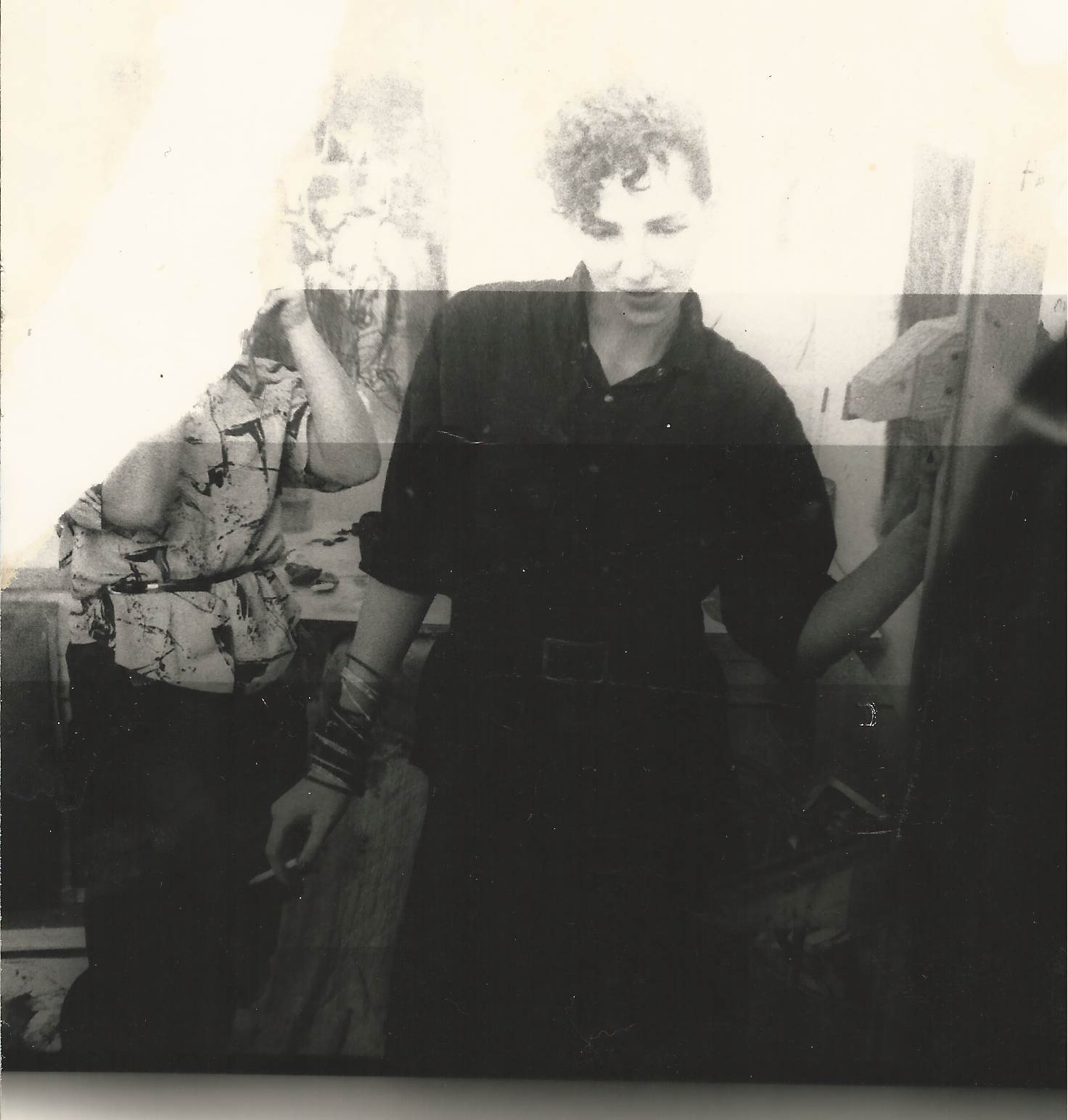
portrait as a process test
process test poser portrait

But you won’t. And that’s okay. You’re still not a poser. (That’s an old Chicago punk term that got thrown around the way farb gets thrown around now.)

I’m pretty familiar with the album version of London Calling, but the Vanilla Tape version really reminded me: it’s not a destination, it’s a process.

It can mean taking coats apart and making them over till our eyes bleed. It can mean thinking and rethinking a character.

What matters is the process. I know, how tiresome: it’s the journey not the snow leopard.  But it’s true: what makes history in any expression fun are the questions, the new things to learn.
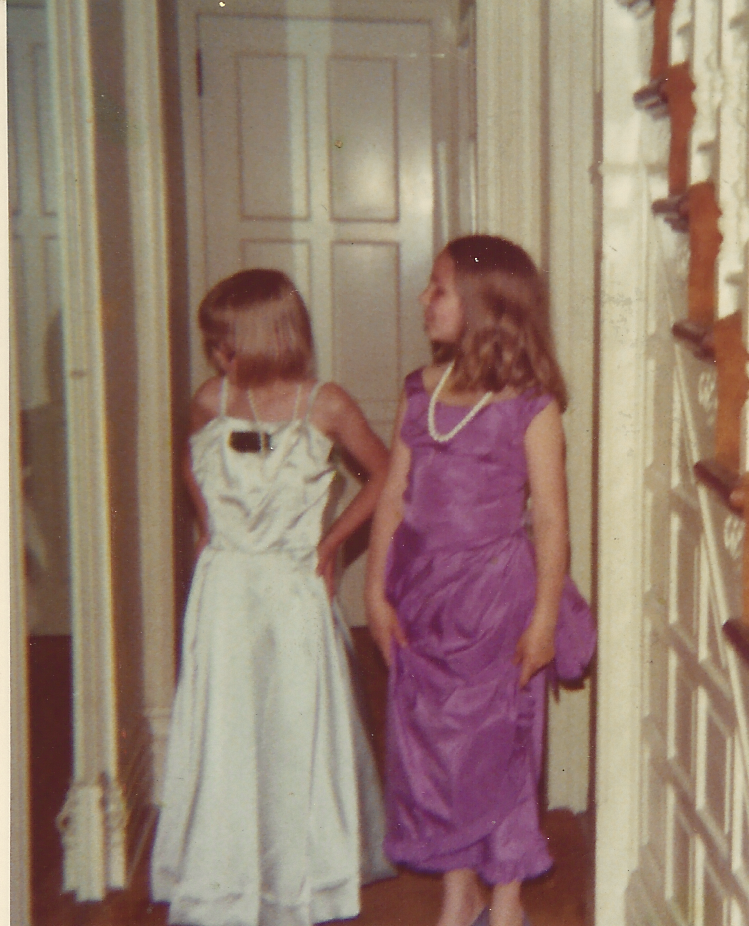
Yes, I have always like to dress up, and to get my friends to join me.
Yes, I have always liked to dress up, and to get my friends to join me.

I realized, too, that the joy I felt seeing the Clash at the Aragon ballroom none-of-your-business years ago was not unlike the pleasure I get from living history– and that’s not just because of the funny clothes and loud noises, though both sub-cultures share a taste for natty dressing and unusual music.

I find joy in the physicality of living history*, for although a milliners’ shop is no mosh pit, when your  clothes, shoes, and accessories are as right as they can be, you will move and feel differently than you do in your office or workout clothes.

There’s joy for me in the difficulties, too: from Saratoga to cooking, I like a problem to solve, a process to learn.

I’ll never get everything just right: I’ll get closer to right, and the fun is in figuring out how.

 

Two Shells, One Man, Dozens of Stories

Yesterday I felt like an anthropologist on Mars, or perhaps more precisely, like Ariel and her collection of human objects, as my friend suggested.

TALY. Anzio. January, 1943. American soldiers rejoicing upon reaching Italian soil, after their beachhead landings. © Robert Capa © International Center of Photography

We are inventorying a collection of militaria currently on display at a museum in the northern part of our tiny state, and while I recognize most of the things, I don’t have the intensive knowledge that some of my friends and acquaintances have to recognize the subtle changes in accouterments over time. Fortunately, plenty of things are marked: the military tends to do that. And fortunately, there are books and the Google and I remember enough of what I learned to ask the right questions.

American soldiers inside hospital tent riddled w. holes caused by German schrapnel from long range gun attacks which killed 5 & wounded 8 patients in the tent. Photograph by George Silk. Life Magazine

The most meaningful items are the ones that have been personalized in some way, or that were never issued at all. There were, for a long time, two small shells picked up at Anzio and Nettuno, each white interior curve labeled in ink, one Anzio and one Nettuno. I could only guess at their significance, as you probably can too: what I did not know was that the soldier who picked them up was only 18 in January 1944—and how appropriate it is to have returned them to his daughter this month.

Not about Anzio, but this is a typical case.

The cases are packed with things he and his friend collected, all of which had some meaning to them: that guy, this place, that story, these memories. The soldier who picked up the shells could never tell his daughter or granddaughters any of what he had seen, though later on, he began to tell his nephews. But he assembled this collection and in that, I think, he was telling us all. Our job at the museum is to translate mute, general issue objects into meaningful individual narratives.